
Singapore Family Law Knowledge Centre
The 21 Chambers Knowledge Centre provides clear and practical guides on divorce in Singapore.
Start with the topic relevant to you, understand your options, and find out what steps you can take next.
![YBU v YBV [2026] SGHCF 26: Financial Disclosure and Division of Matrimonial Assets](https://images.squarespace-cdn.com/content/v1/67d293a78eedd20d059214ab/1789181245448-UWE9YC8X6ZFRY6BMK0XK/unsplash-image--BhZ0BrOzOQ.jpg)
YBU v YBV [2026] SGHCF 26: Financial Disclosure and Division of Matrimonial Assets
YBU v YBV [2026] SGHCF 26 shows the consequences of failing to provide proper financial disclosure in a Singapore divorce. The Court drew an adverse inference and adjusted the division of matrimonial assets from about 60:40 to 55:45.

How Are Overseas Assets Divided in a Singapore Divorce?
Overseas properties, foreign bank accounts, investments and businesses may still form part of the matrimonial pool in a Singapore divorce. We explain when overseas assets are matrimonial assets, how they are valued and divided, and what happens when a spouse fails to disclose assets held abroad.

Stay of Divorce Proceedings in Singapore: When Can a Singapore Divorce Be Stopped in Favour of Another Country?
When spouses have connections with Singapore and another country, both countries may potentially have jurisdiction over the divorce. We explain when the Singapore Courts may stay divorce proceedings in favour of a foreign court and the factors considered when deciding which jurisdiction is the more appropriate forum.

Transfer vs Part-Share Resale of an HDB Flat After Divorce: What Is the Difference?
Keeping the HDB flat after divorce? A transfer and a part-share resale can have very different CPF and financing consequences. We explain the key differences, including why partial CPF refunds generally require a transfer and the HDB loan restriction that can apply to divorce consideration.

What Happens If Spousal or Child Maintenance Is Not Paid? A Guide to Enforcing Maintenance in Singapore
A maintenance order is legally binding. If your former spouse fails to pay child or spousal maintenance, the Family Justice Courts have various enforcement powers. Learn what options are available and how maintenance orders can be enforced in Singapore.
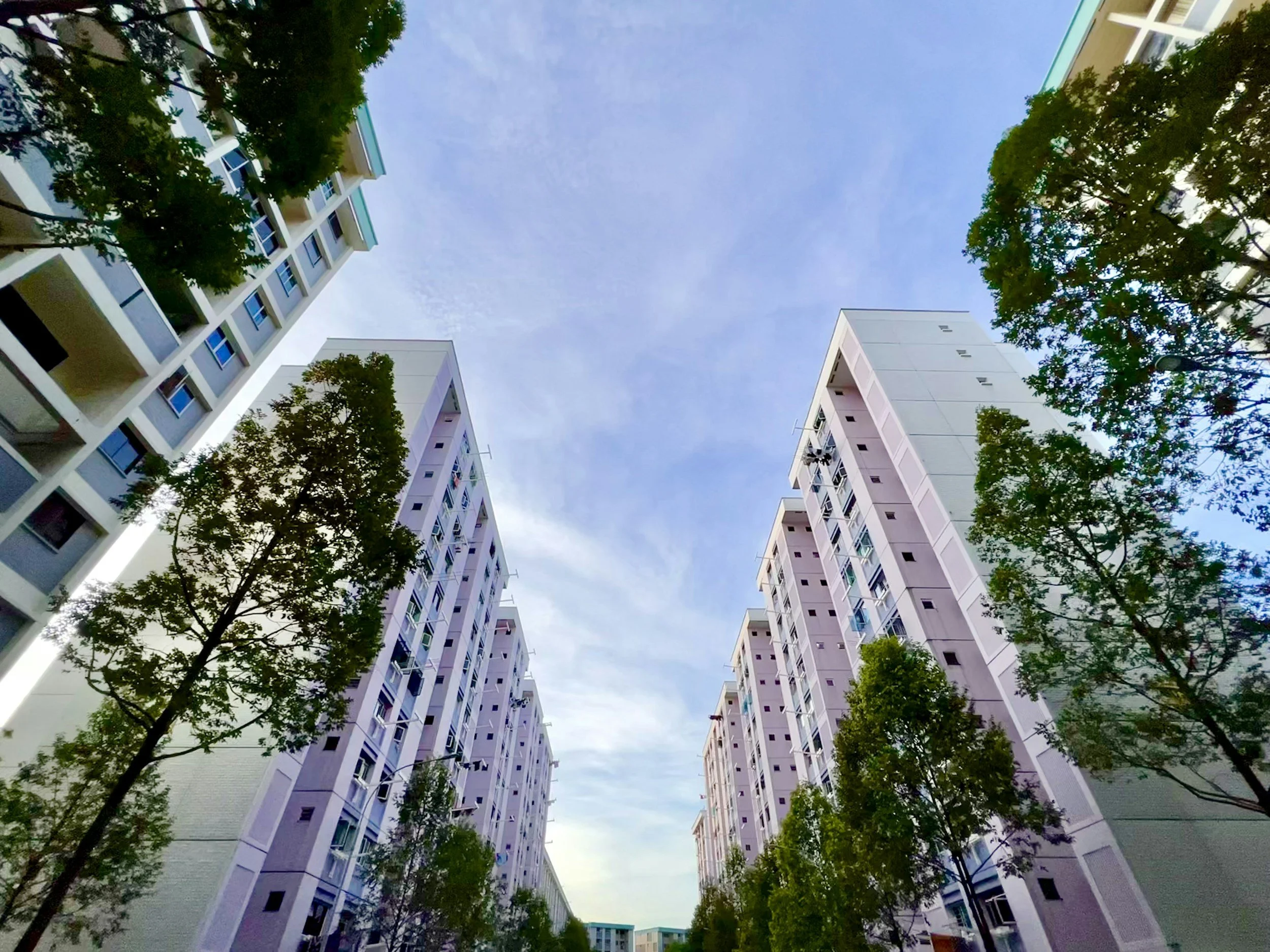
Selling the HDB Flat After Divorce in Singapore
Not every divorcing couple keeps the matrimonial HDB flat. Learn what happens when the HDB is sold after divorce, including CPF refunds, outstanding housing loans and how the sale proceeds may be divided.

CPF After Divorce in Singapore: What Happens to Your CPF Savings?
CPF is often one of the largest financial assets in a marriage. Learn how CPF is treated after divorce, including CPF used for the HDB flat, refunds, CPF transfers and common misconceptions.
![YIC v YID [2026] SGHCF 27: $47 Million Matrimonial Asset Pool and Non-Disclosure](https://images.squarespace-cdn.com/content/v1/67d293a78eedd20d059214ab/1789178579555-CSEEEL2CG5SHJ4H58WJU/unsplash-image-7KQe_8Meex8.jpg)
YIC v YID [2026] SGHCF 27: $47 Million Matrimonial Asset Pool and Non-Disclosure
In YIC v YID [2026] SGHCF 27, the Singapore High Court considered a $47.21 million matrimonial asset pool, pre-marital businesses, homemaker contributions and financial non-disclosure, ultimately dividing the assets 63:37.

What If My Spouse Does Not Give Me Access to My Child in Singapore?
Is your ex-spouse refusing to let you see your child despite a Court order? Learn the steps to enforce child access in Singapore, including make-up access, compliance bonds, fines and other Court remedies.

Can Child Maintenance Be Varied in Singapore?
A child maintenance order is not always permanent. If circumstances have changed since the original order was made, the Family Justice Courts may vary the amount of maintenance. Learn when child maintenance can be increased or reduced and what evidence the Court considers.

Who Gets Care and Control of the Children in Singapore?
Many parents believe that mothers automatically receive care and control of the children after divorce. This is a common misconception. Learn how the Family Justice Courts determine care and control, the factors they consider, and what parents can do to strengthen their case.

Do I Still Need to Divorce If I Entered Into a Sham Marriage in Singapore?
A sham marriage or marriage of convenience does not necessarily mean you can simply treat yourself as unmarried. Find out whether you may still need a divorce or annulment, and what to do if you have lost contact with your spouse.

What Happens If My Spouse Is Missing? Can I Still Get a Divorce in Singapore?
If your spouse has disappeared, moved overseas or cannot be contacted, you may still be able to get a divorce in Singapore. We explain substituted service, dispensation of service and what you may need to show the Court.

Can I Keep the HDB Flat If I Have Care and Control of the Children?
Many parents believe that obtaining care and control of the children automatically entitles them to keep the HDB flat after divorce. This is a common misconception. Learn how the Family Justice Courts determine what happens to the matrimonial home and the role that children’s housing needs play in the overall decision.

HDB Transfer After Divorce in Singapore: A Complete Guide
Keeping the matrimonial HDB flat after divorce can be one of the most important financial decisions you make. Learn how HDB transfers work, the difference between a transfer and a part-share resale, CPF implications, HDB eligibility requirements, and what the Family Justice Courts may order.

Can Cryptocurrency Be Hidden in Divorce? A Singapore Guide
Cryptocurrency has become an increasingly important issue in Singapore divorce proceedings. This guide explains how Bitcoin and other digital assets may be treated during divorce, the obligation to disclose cryptocurrency, and what legal options are available if you suspect crypto assets have been concealed.

What Documents Must I Disclose in Divorce? A Singapore Checklist
Financial disclosure is an important part of divorce proceedings in Singapore. This guide explains the documents commonly required, why they matter, and how proper preparation can help avoid delays, unnecessary disputes and additional legal costs.

Hidden Assets in Divorce: What Can You Do? A Singapore Guide
Concerned that your spouse may be hiding money or assets during divorce proceedings? This guide explains the warning signs of hidden assets, the legal remedies available in Singapore, and what you should do if you suspect incomplete financial disclosure.

Financial Disclosure in Singapore Divorce Proceedings: A Complete Guide
Financial disclosure is one of the most important aspects of a contested divorce in Singapore. This guide explains what must be disclosed, why full and frank disclosure matters, and the consequences of failing to provide complete financial information.

Disclosure Process in Singapore Family Court: A Complete Guide
If you believe your spouse has failed to disclose assets or financial information during divorce proceedings, the Family Justice Courts may allow applications for disclosure.. This guide explains what these procedures are, when they can be used, and how they help ensure a fair division of matrimonial assets.